
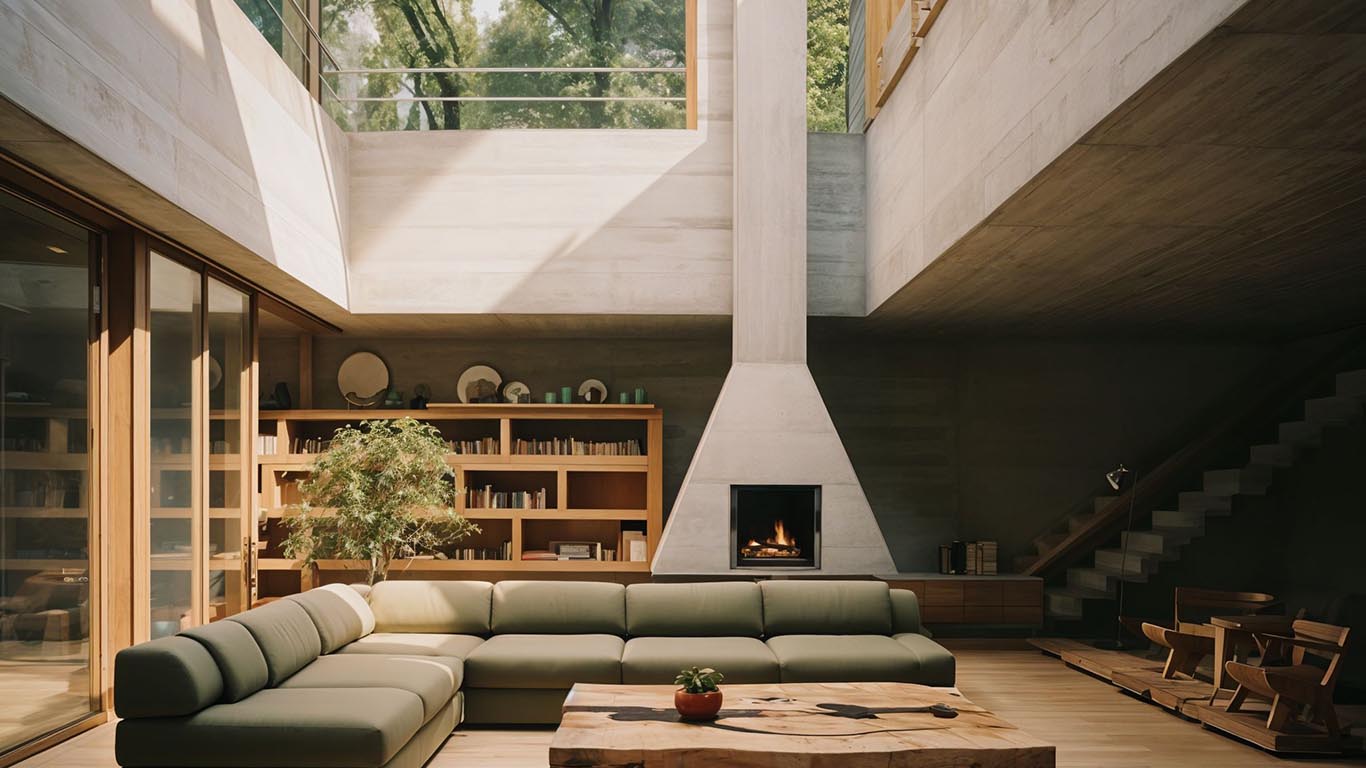
Flexible Spaces: The Future of Multipurpose Interiors
Homes today are evolving faster than ever. Work is no longer only at the office. Play is not restricted to outdoors. Rest is not confined to the bedroom. This shift has given rise to one of the most exciting and practical interior design trends of the decade: Flexible Spaces. Flexible Spaces are a leading interior design trend, fundamentally rethinking home function.
These versatile spaces adapt and transform to support modern life without clutter, optimizing square footage, enhancing functionality, and creating a responsive living environment.
Why Flexibility Matters Now
Life has become dynamic. One room may need to switch roles from a morning workspace to an evening entertainment hub. Families grow, routines change, and hobbies expand. Fixed layouts struggle to keep up, but flexible interiors thrive because they are designed with purpose and potential.
Designing Homes That Work, Play, and Heal
A workspace that blends seamlessly with your living environment can boost productivity and prevent distraction. Instead of dedicating a whole room to an office, smart setups allow:
- Fold-away desks or modular tables
- Acoustic partitions that offer privacy when required
- Smart lighting that transitions from “focused” to “relaxed”
It keeps the home functional without constantly reminding you of pending emails.
Whether it is children playing or adults unwinding, every home needs a fun corner. Flexible design creates excitement without chaos. A living room sofa can expand into a gaming lounge. A corridor wall can double as an activity board. When spaces are designed to adapt, playfulness becomes part of everyday life.
Flexibility never means compromising comfort. Recharge zones like bedrooms should still feel exclusive. Smart furniture choices allow rooms to remain restful while being functional when needed. A reading nook can double as a small meditation area. A window seat can become that perfect escape during a hectic day.
How Designers Make a Space Multifunctional
Designers today are problem-solvers before anything else. They read the rhythm of a home and convert limitations into possibilities. The idea is simple: every square foot should earn its value. Multifunctionality comes from blending creativity with practicality so that one space works in multiple ways without feeling compromised.
Furniture becomes fluid. A dining table can slide into a wall to become a work desk. Sofas transform into beds. Coffee tables open up for hidden storage. Movable partitions give you privacy when needed and openness when desired. Lighting and decor also play a role, guiding whether a room feels productive, playful, or restful.
Smart storage solutions keep the environment clean and adaptable. This could be under-bed drawers, ottomans with compartments, or tall cabinetry that uses vertical height. Designers also use materials that withstand varied daily activities so that the space remains beautiful even with frequent transformation.
A multifunctional interior does not scream for attention. It simply changes with ease and supports the many moods of everyday life.
The Future of Interiors Is Adaptive
Homes of the future are expected to respond to their occupants rather than demand adjustment from them. This adaptive approach ensures that the space evolves with lifestyle changes. Whether someone starts working remotely, welcomes a new family member, or picks up a new hobby, the home can flex and support that shift.
Technology will become a quiet partner in adaptation. Smart lighting will adjust throughout the day to support focus, energy, and relaxation. Foldable tech setups will appear when needed and disappear when done. Even acoustics will adapt to change a living room from a cinema-like hub to a silent reading corner in seconds.
Adaptive design does not prioritize trends alone. It respects wellness, comfort, and longevity. People want homes that remain timeless and functional for many years. Designs that can be upgraded or repurposed without renovation will lead the way.
The future interior isn’t just beautiful to look at. It is empathetic. It understands your life and moves alongside it.